Clownfish
Symbiotic Specialists of Coral Reef Ecosystems
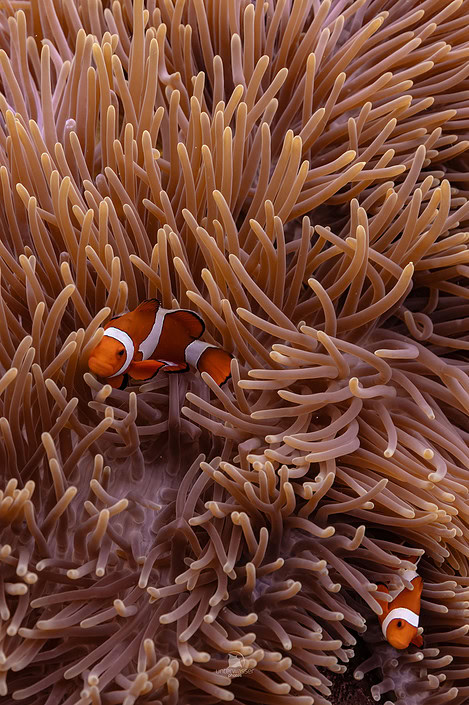
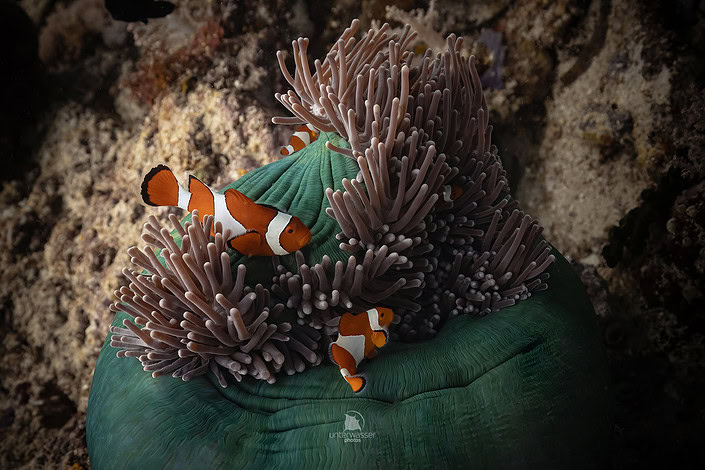
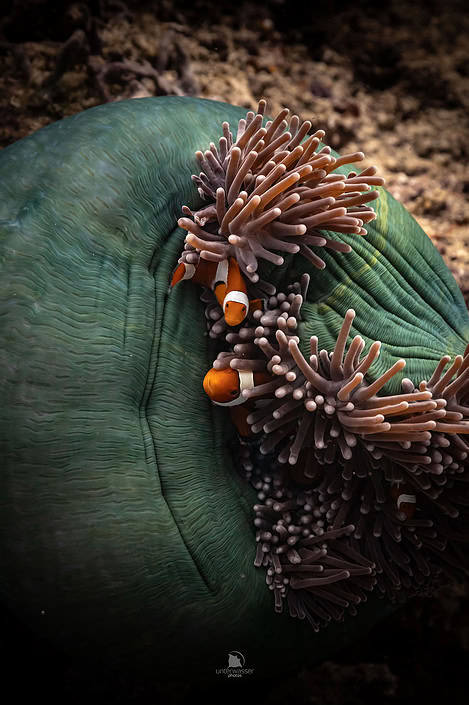
Clownfish, scientifically referred to as Amphiprioninae, are a subfamily of damselfishes (Pomacentridae) that comprise over 30 species. These vibrant and ecologically significant fish are iconic residents of tropical coral reefs, primarily found in the Indo-Pacific region, including the Red Sea, Indian Ocean, and western Pacific Ocean. Among the most well-known species is the Amphiprion ocellaris, commonly referred to as the false clownfish or “Nemo.”
A Complex Symbiosis with Sea Anemones
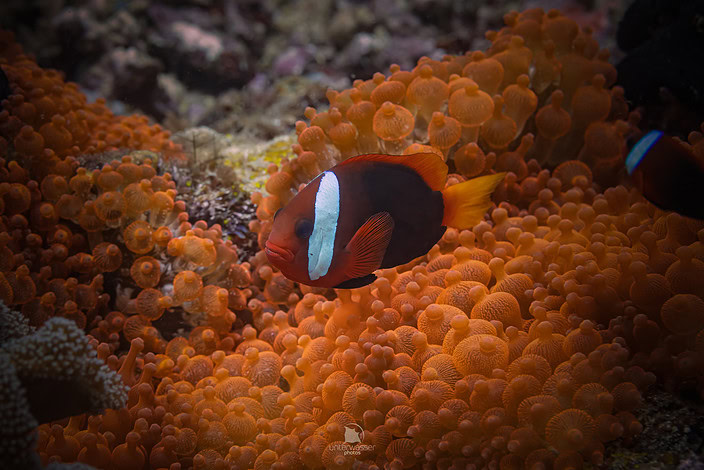
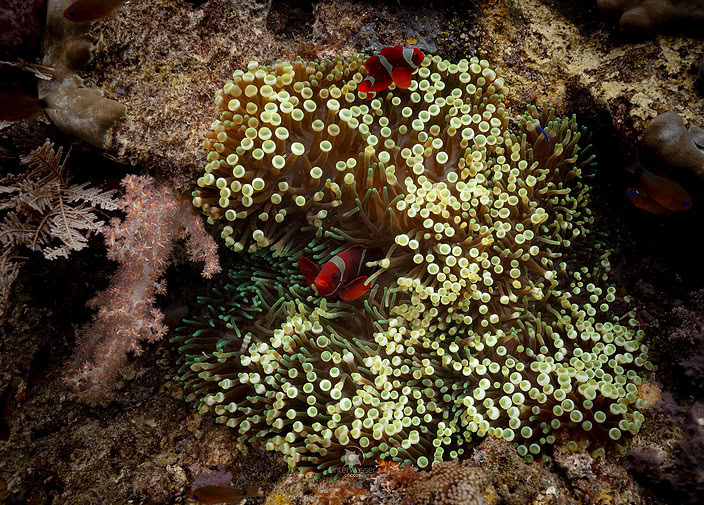
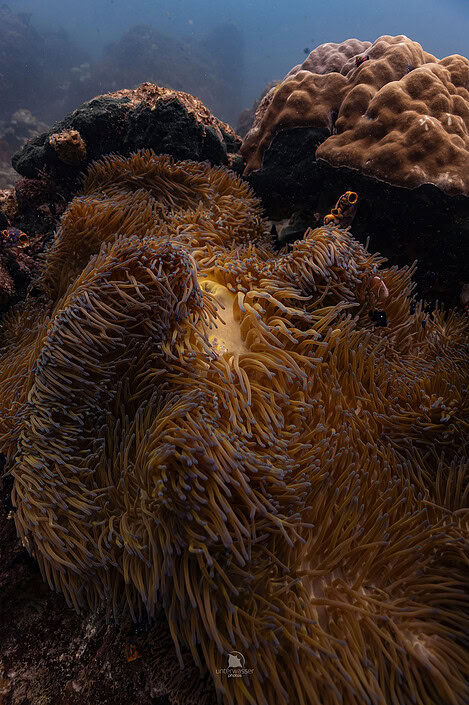
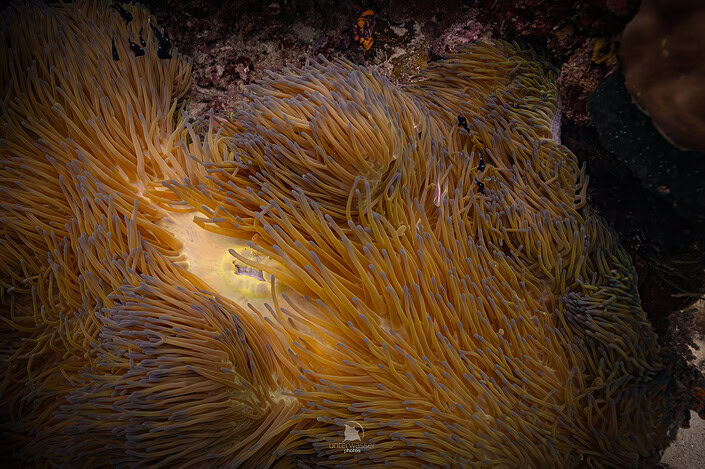
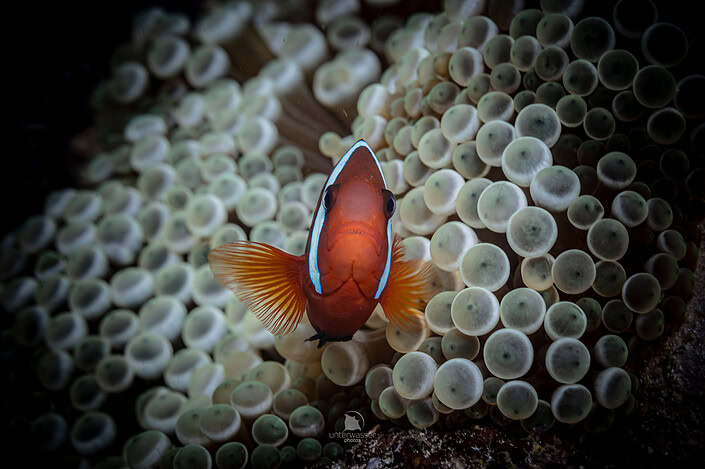
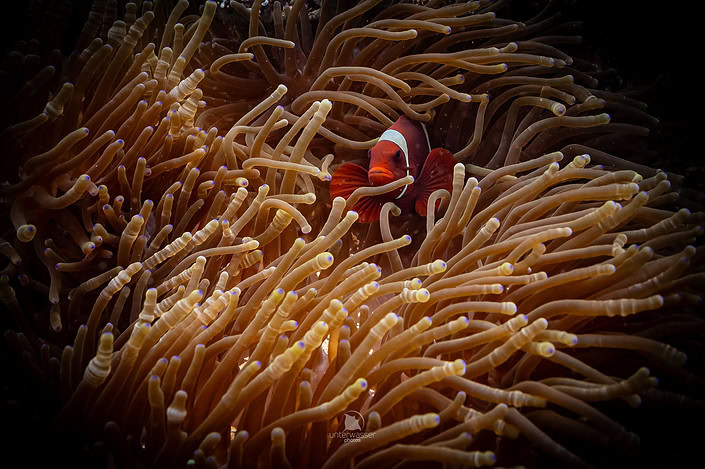
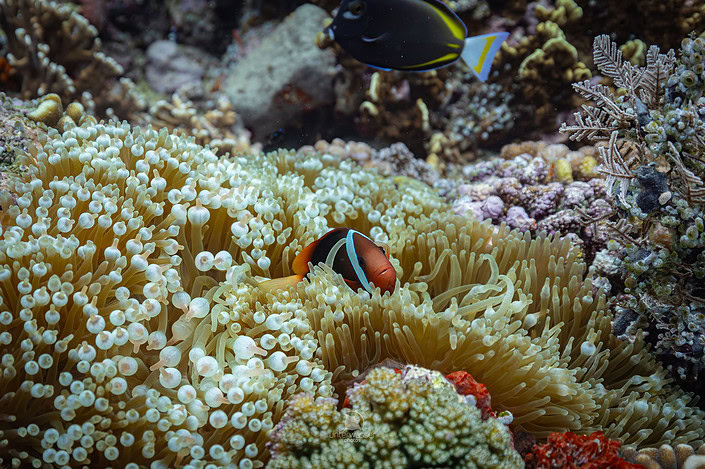
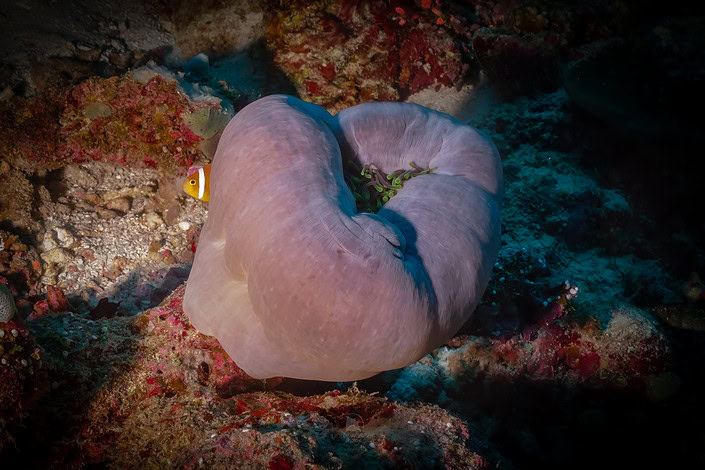
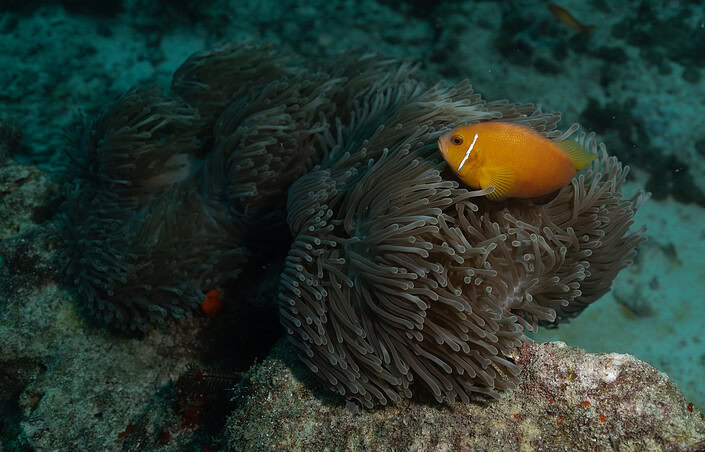
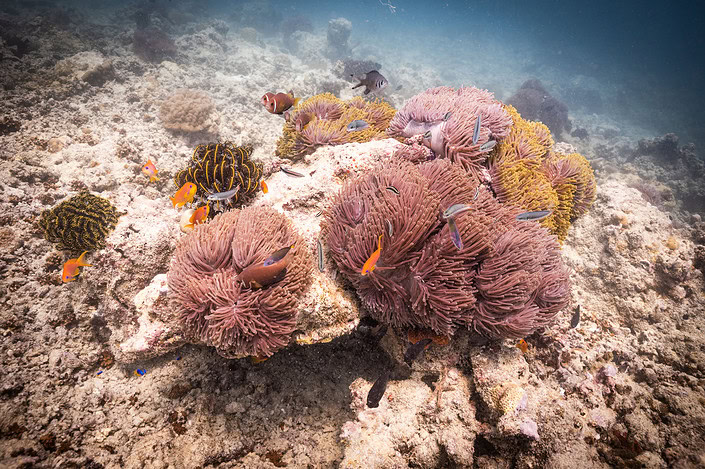
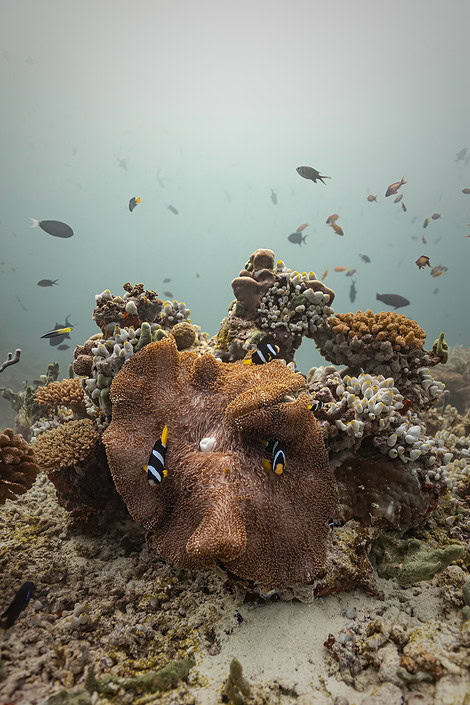
Clownfish are renowned for their mutualistic relationship with sea anemones, primarily from the genera Heteractis, Stichodactyla, and Entacmaea. While most marine organisms avoid the venomous tentacles of anemones, clownfish possess a unique mucus layer that protects them from being stung.
In this symbiotic relationship, the clownfish gain shelter and protection from predators within the anemone’s tentacles. In return, they provide multiple benefits to their host, such as:
• Nutrient cycling: Clownfish feces provide essential nutrients like nitrogen and phosphorus, which promote anemone growth.
• Protection from predators: Clownfish aggressively defend their host from anemone predators, such as butterflyfish.
• Improved water circulation: By moving among the tentacles, clownfish increase water flow, which aids in anemone respiration and waste removal.
Species-Specific Behavior and Distribution
Each species of clownfish exhibits a unique coloration, ranging from bright orange with white bands (A. ocellaris) to deeper hues of red, black, or yellow, as seen in species like Amphiprion frenatus (tomato clownfish) and Amphiprion percula (orange clownfish). Their distribution and habitat preferences are often closely tied to the availability of specific anemone species, forming species-specific partnerships.
Reproduction and Social Structure
Clownfish are protandrous hermaphrodites, meaning individuals are born male but can transition to female based on social hierarchy. A typical group consists of a dominant breeding pair and subordinate males. When the dominant female dies, the largest male undergoes a sex change and assumes her role.
Clownfish exhibit complex breeding behaviors, with males responsible for cleaning and guarding the eggs, which are laid on a flat surface near the anemone. After hatching, the larvae are pelagic for several days before settling and seeking an anemone host.
Conservation Concerns
The health of clownfish populations is tightly linked to the well-being of coral reef ecosystems. Threats such as climate change, ocean acidification, and habitat destruction pose significant risks to their survival. The degradation of anemone populations, often due to coral bleaching, can directly impact clownfish, as they depend on these hosts for survival.
Additionally, the aquarium trade places pressure on wild populations, particularly for popular species like A. ocellaris. Sustainable breeding programs and aquaculture initiatives have been successful in reducing the need for wild captures, helping to alleviate this pressure.
Conclusion
Clownfish are extraordinary examples of ecological specialization, showcasing the intricate relationships that sustain coral reef ecosystems. Their vivid appearance, complex social behaviors, and crucial role in mutualistic partnerships highlight their importance in both marine biodiversity and conservation efforts. Protecting their habitats is essential for ensuring the future of these charismatic reef inhabitants and the ecosystems they inhabit.


 unterwasser.photos


